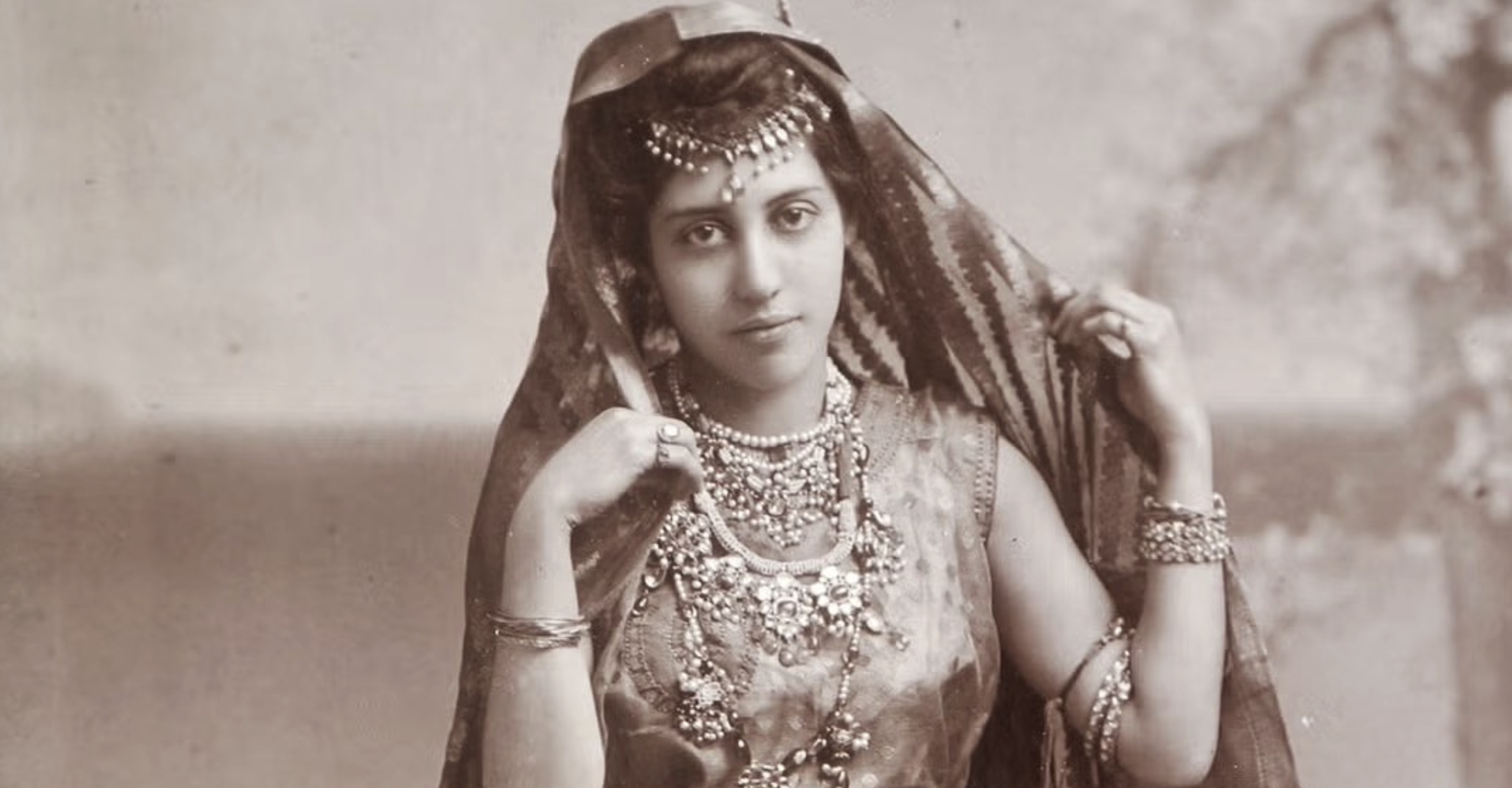
Today marks the 150th Anniversary of the Birth of Princess Sophia Duleep Singh, who was born on this day in 1876! The daughter of the last Maharaja of the Sikh Empire was a goddaughter of Queen Victoria and a prominent Suffragette Activist!


The third daughter of Maharaja Duleep Singh of Punjab and Bamba Müller, Princess Sophia Duleep Singh grew up with her three brothers and two sisters at the palatial Elveden Hall in Suffolk, at the centre of British High Society, with Queen Victoria serving as Princess Sophia’s godmother. While Maharaja Duleep Singh became estranged from the British establishment and died in Paris in 1893, his children inherited his substantial fortune and in 1898, Queen Victoria granted the Princesses a grace and favour apartment in Faraday House, Hampton Court with a £200 a year allowance for expenses.


Princess Sophia bred championship dogs, pursued photography and cycling, and attended parties in Britain and also made several visits to India, under surveillance in case she became involved in any political activity around the restoration of the Kingdom of Punjab, though she encountered Indian independence activists and and expressed sympathy for their cause.


In 1909, Princess Sophia joined the Women’s Social and Political Union and was a leading member of the movement for women’s voting rights, funding suffragette groups and leading the cause. Best remembered for her leading role in the Women’s Tax Resistance League, the Princess was never arrested as the authorities feared making a martyr out of her. Princess Sophia was fined several times due to her political unrest, and bailiffs confiscated her jewelry from Hampton Court Palace to sell at auction on several occasions. Each time, Princess Sophia’s friends of Sophia ensured that nobody bid on the items and the items were sold for a pittance to be bought by the suffragettes and returned to Princess Sophia, who would be in attendance at several of the auctions.


During the First World War, Princess Sophia joined a 10,000-woman protest march against the prohibition of a volunteer female force and tended wounded Indian soldiers who had been evacuated from the Western Front, while continuing to promote women’s suffrage in Britain and abroad. She passed away in 1948 and was cremated according to Sikh rites before her ashes were spread in Punjab.


The Last Princesses of Punjab Exhibition is currently on display at Kensington Palace until November.
Maharani Jind Kaur’s Tikka

Cartier Emerald Suite
Cartier Ruby Suite
Bulgari Gold Suite


Hi, She was born in 1876 not 1948 as you mention in the opening paragraph. Such an interesting woman – it was great to read about her.