Today marks the 95th Anniversary of the Death of Queen Alexandra of the United Kingdom, the Danish Princess who was the longest-serving Princess of Wales and then a trendsetting Queen Consort, and to mark the occasion, we are taking a look at her Diamond Circlet.

Featuring Diamond Fleur-de-Lys and Maltese Crosses on top of a Diamond Base, the Diamond Circlet was made by Garrard for Queen Alexandra in 1910, as a Crown to be worn in her widowhood, probably a replacement of the George IV State Diadem, and could originally incorporate the famous Cullinan VI Diamond.


The Diamond Circlet was most prominently worn by Queen Alexandra, paired with Queen Victoria’s Small Diamond Crown, at the Wedding of her granddaughter, Princess Alexandra, Duchess of Fife, to Prince Arthur of Connaught in 1913, and during a Danish State Visit in 1914, though it appears not to have been publicly worn in the years since.

 https://royalwatcherblog.com/2020/11/20/queen-alexandras-diamond-circlet/


After Queen Alexandra’s death in 1925, the Diamond Circlet, without the Cullinan VI, was inherited by her daughter, Queen Maud of Norway, who had the Diamond Fleur-de-Lys removed and wore the Diamond Bandeau with the Maltese Crosses (hence why it is now known as the Maltese Circlet Tiara) for a variety of important occasions, like her 60th Birthday Portraits in 1929, King Haakon VII’s Silver Jubilee in 1930, and the Coronation of her nephew, King George VI, in 1937.

While it was long believed that Queen Maud’s jewels remained in England after her death and during the Second World War, only being reclaimed during a visit for the Queen’s Coronation in 1953, but Trond Noren Isaksen writes that they were smuggled out of Norway during the Nazi Occupation and only sent to Britain during the communist scare in 1948.
When I wrote my biography of Princess Astrid, «Kvinne blant konger», she told me that the reason why Crown Princess Märtha barely wore any of her mother-in-law’s jewels was that Queen Maud took all her jewels with her to London in the autumn of 1938 to have them cleaned, and after the Queen died during her stay in England, her jewels remained at Windsor Castle until 1953, when Crown Prince Olav, Crown Princess Märtha and Princess Astrid brought them back to Norway after Elizabeth II’s coronation. However, when I wrote my book on Crown Princess Märtha during WWII, «Kronprinsessens krig», I realised that this could not be quite correct, as the diaries of the Marshal of the Court, Peter F. Broch, show that he smuggled Queen Maud’s jewels out of the Palace after the German attack in 1940 and had them sent to Crown Princess Märtha, who at that time was in Sweden.
The answer to how they ended up in Britain can be found in the correspondence between King Olav and Queen Elizabeth the Queen Mother in the British Royal Archives to which His Majesty King Charles III has kindly given me access. The answer lies in the war scare of 1948.

In February 1948, the communists seized power in Czechoslovakia, which caused widespread fear that Norway was next on the USSR’s list – indeed, this led to Norway abandoning its neutrality and becoming a founding member of NATO. In the summer, Crown Prince Olav took a large trunk containing his mother’s jewels with him when he and his family travelled to London for the Olympics. Before returning home, he deposited it at the Norwegian Embassy and wrote to the then Queen Elizabeth that he feared they might not be be able to get the jewels out of Norway if they had to flee a second time and asked if she might store them where she kept her own jewels, to which Queen Elizabeth agreed.

Not long afterwards, Crown Princess Martha passed away, and the jewels remained in the vaults for years until the Norwegian Royal jewellery collection was divided up following the wedding of then Crown Prince Harald in 1968.


However, it took many years for Queen Alexandra’s Diamond Circlet to be publicly seen, and the Bandeau base was first worn by the then Crown Princess Sonja in 1985, who wore it in that version during the 1980s and 1990s.


The Diamond Circlet was also worn by Princess Märtha Louise for important State Visits from Denmark and Sweden.


Unlike Queen Maud, who wore the Maltese Crosses on the edges, Queen Sonja wears three of them together at the front of the Tiara and the fourth as brooch.


While she has also worn just the Crosses themselves as well, she usually prefers wearing only the Diamond Circlet Base. The Tiara has not been publicly worn in over a decade, but there is no doubt we will continue to see the Diamond Circlet worn for years to come!

The Norwegian Emerald Parure
Queen Josefina’s Diamond Tiara
Queen Maud’s Pearl Tiara
Queen Alexandra’s Diamond Circlet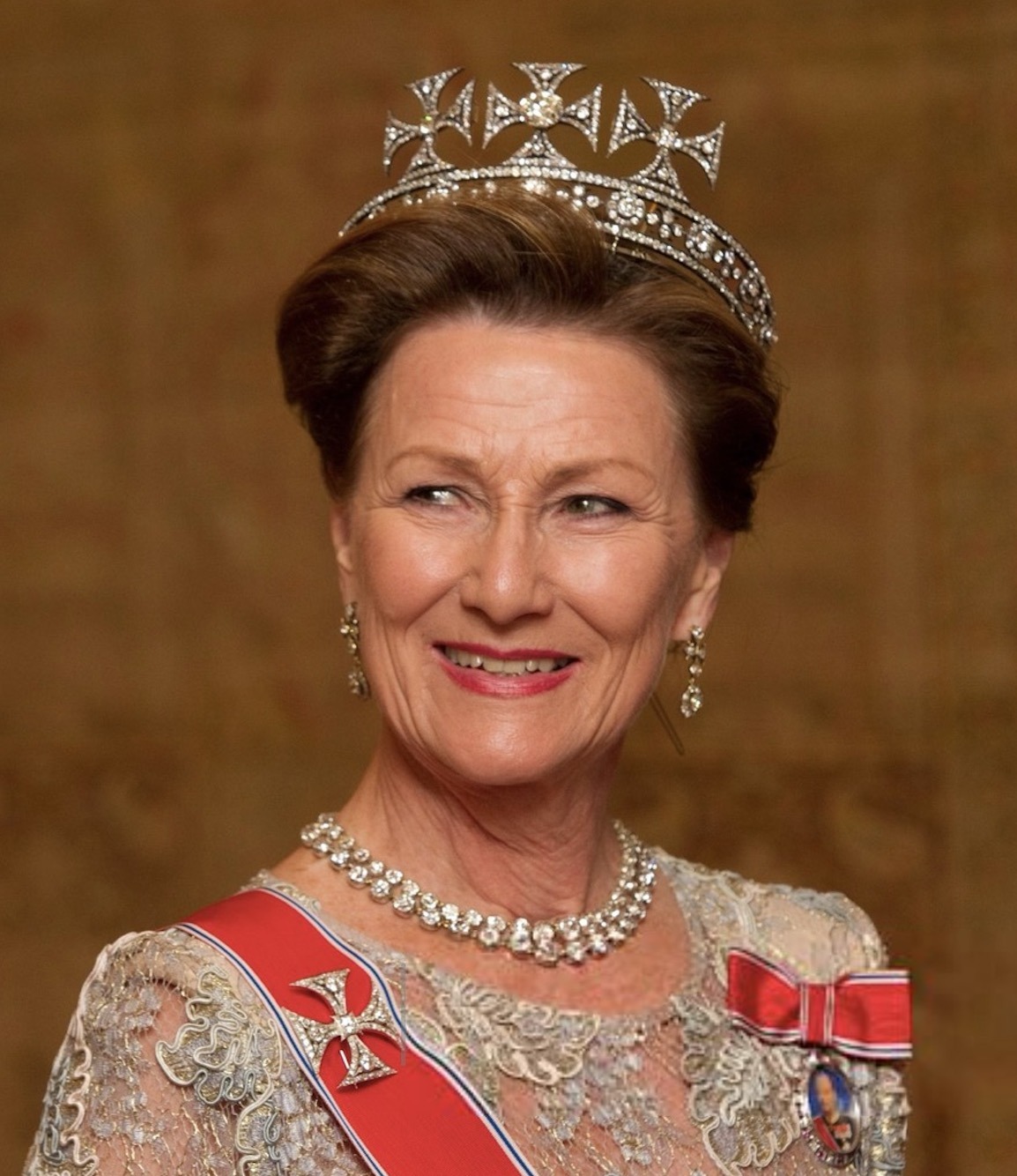
Diamond Daisy Bandeau
Norwegian Amethyst Parure
Vifte Tiara
Princess Ingeborg’s Boucheron Pearl Circle Tiara
King Olav’s Gift Tiara
Modern Gold Tiara
Queen Alexandra’s Turquoise Circlet
Vasa Tiara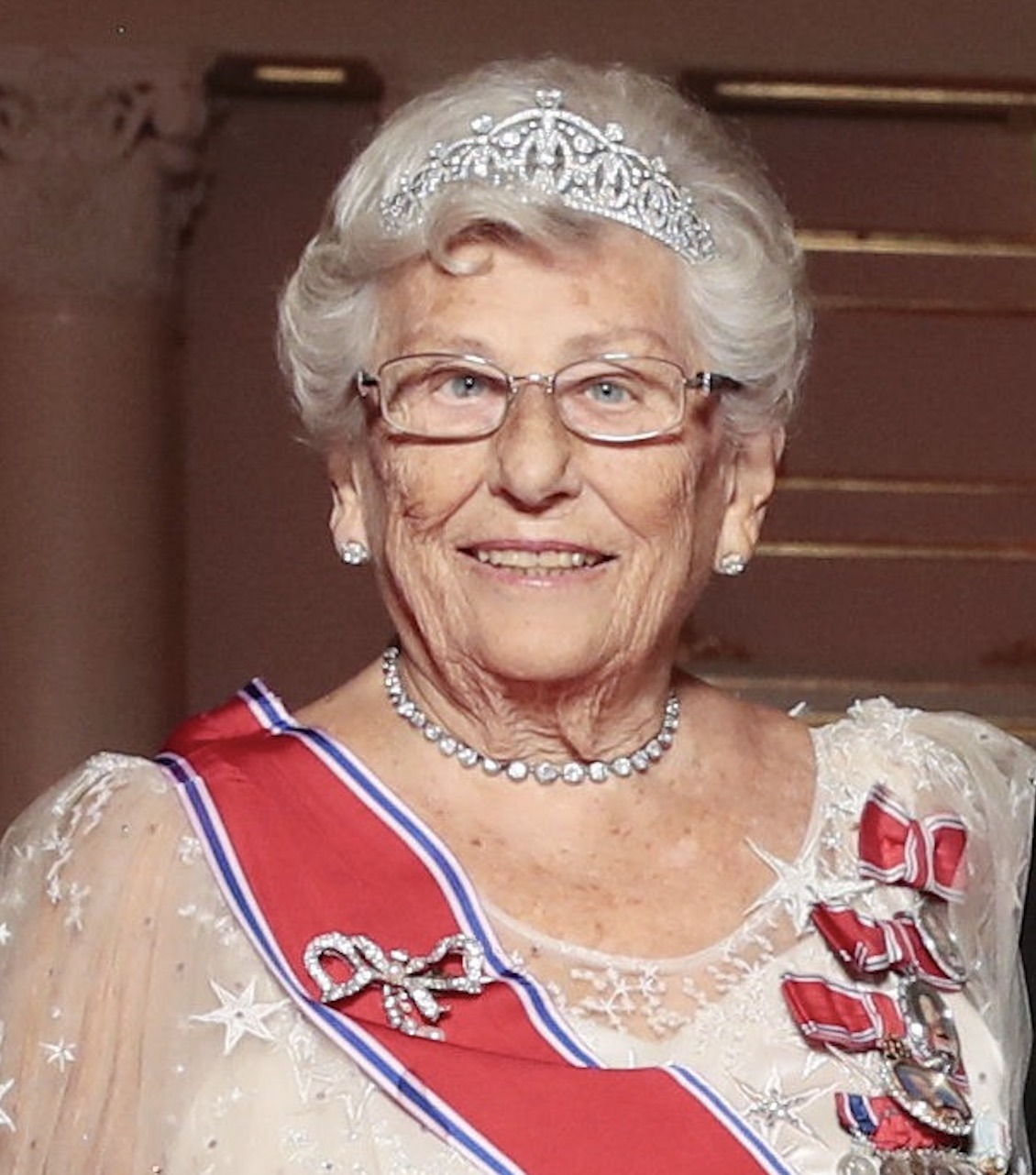
Queen Maud’s Diamond Tiara
Princess Astrid’s Ruby Aigrette Tiara
Princess Astrid’s Gold Bandeau Tiara
Queen Sophia’s Diamond Bracelet Bandeau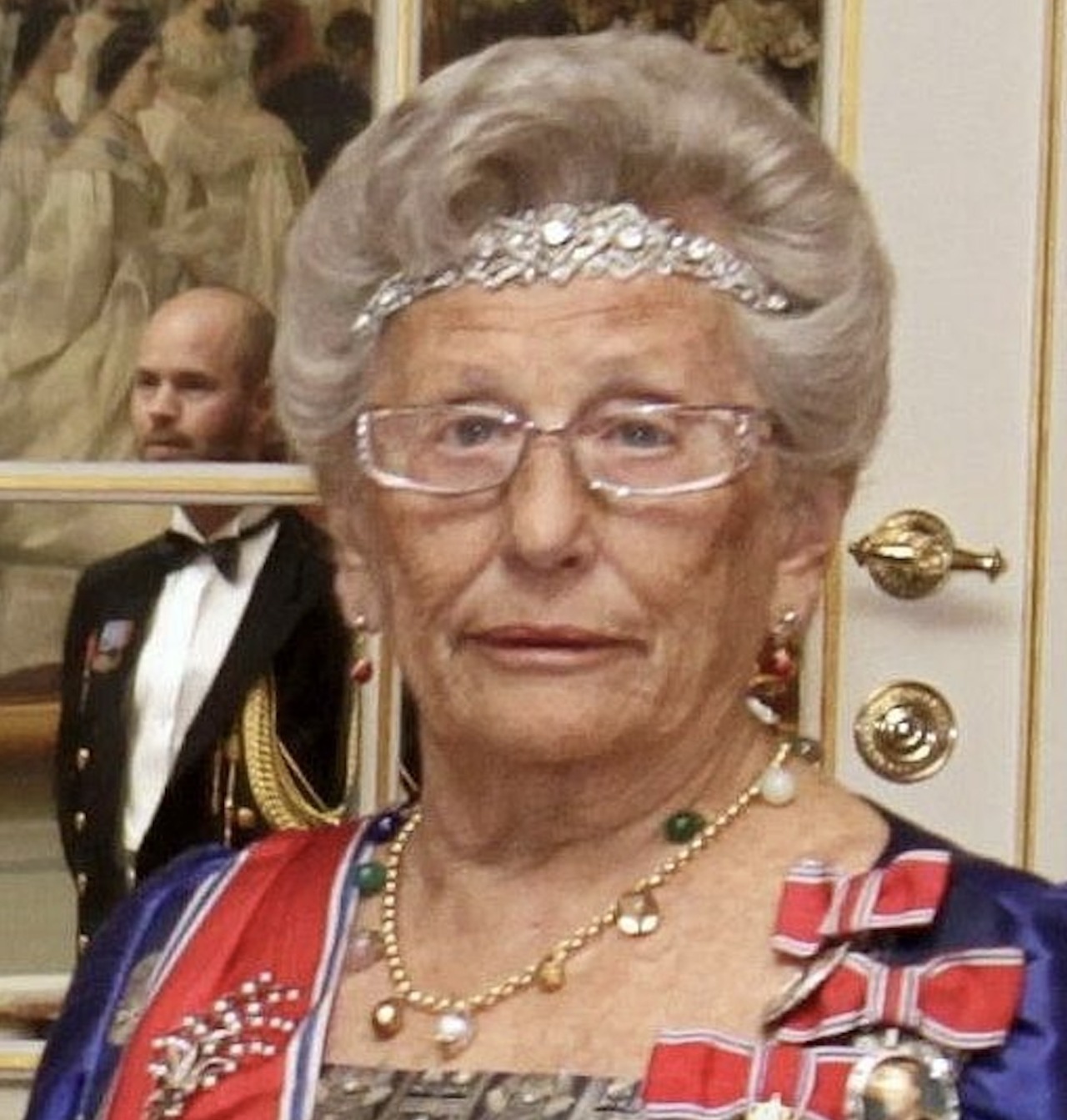

Queen Alexandra’s Wedding Parure
Diamond Circlet

Diamond Rivière
Cartier Collier Résille
Embed from Getty ImagesEmbed from Getty Images
Featuring Diamond Fleur-de-Lys and Maltese Crosses on top of a Diamond Base, the Diamond Circlet was made by Garrard for Queen Alexandra in 1910, as a Crown to be worn in her widowhood, probably a replacement of the George IV State Diadem, and could originally incorporate the famous Cullinan VI Diamond. The Diamond Circlet was most prominently worn by Queen Alexandra, paired with Queen Victoria’s Small Diamond Crown, at the Wedding of her granddaughter, Princess Alexandra, Duchess of Fife, to Prince Arthur of Connaught in 1913, and during a Danish State Visit in 1914, though it appears not to have been publicly worn in the years since.
Embed from Getty Images
https://www.instagram.com/p/Br3T0yDBGSR/
After Queen Alexandra’s death in 1925, the Diamond Circlet, without the Cullinan VI, was inherited by her daughter, Queen Maud of Norway, who had the Diamond Fleur-de-Lys removed and wore the Diamond Bandeau with the Maltese Crosses (hence why it is now known as the Maltese Circlet Tiara) for a variety of important occasions, like her 60th Birthday Portraits in 1929, King Haakon VII’s Silver Jubilee in 1930, and the Coronation of her nephew, King George VI, in 1937. In 1938, Queen Maud brought all her jewels with her to England while she was having an operation, and where she passed away of heart failure (also on this day). Queen Maud’s jewels remained in England, throughout the Norwegian Royal Family’s exile during WWII, and were only reclaimed during a visit for the Queen’s Coronation in 1953. Soon afterwards, her daughter-in-law, Crown Princess Martha passed away, and the Diamond Circlet remained in the vaults for years until the Norwegian Royal jewellery collection was divided up following the wedding of then Crown Prince Harald in 1968.
Embed from Getty Images
Embed from Getty ImagesEmbed from Getty Images
However, it took many years for Queen Alexandra’s Diamond Circlet to be publicly seen, and the Bandeau base was first worn by the then Crown Princess Sonja in 1985, who wore it in that version during the 1980s and 1990s, when the Diamond Circlet was also worn by Princess Märtha Louise for important State Visits from Denmark and Sweden.
Embed from Getty ImagesEmbed from Getty Images
Embed from Getty Images
Unlike Queen Maud, who wore the Maltese Crosses on the edges, Queen Sonja wears three of them together at the front of the Tiara and the fourth as brooch. While she has also worn just the Crosses themselves as well, she usually prefers wearing only the Diamond Circlet Base. The Tiara has not been publicly worn in over a decade, but there is no doubt we will continue to see the Diamond Circlet worn for years to come!

Queen Alexandra was such a lovely lady. She kept her figure her whole life and looked very young for her age. But, I don’t think this tiara is one of her best. This Maltese Cross tiara looks too severe with the crosses because they are way too tall and have no other elements to accompany them. The band is lovely, but the crosses should be used alone as something else, like brooches or pendants.
Thank you for your sharing all your knowledge. Do you know what happend to the fleur de lys?
Sadly nothing is known, but since they were quite newly made jewels, there weren’t many barriers to breaking them up into something else!